Best Countries for Digital Nomads in 2026 (Based on Real Constraints, Not Instagram)
Remote work didn’t just “change where we work.” It changed what a life plan looks like. In 2026,

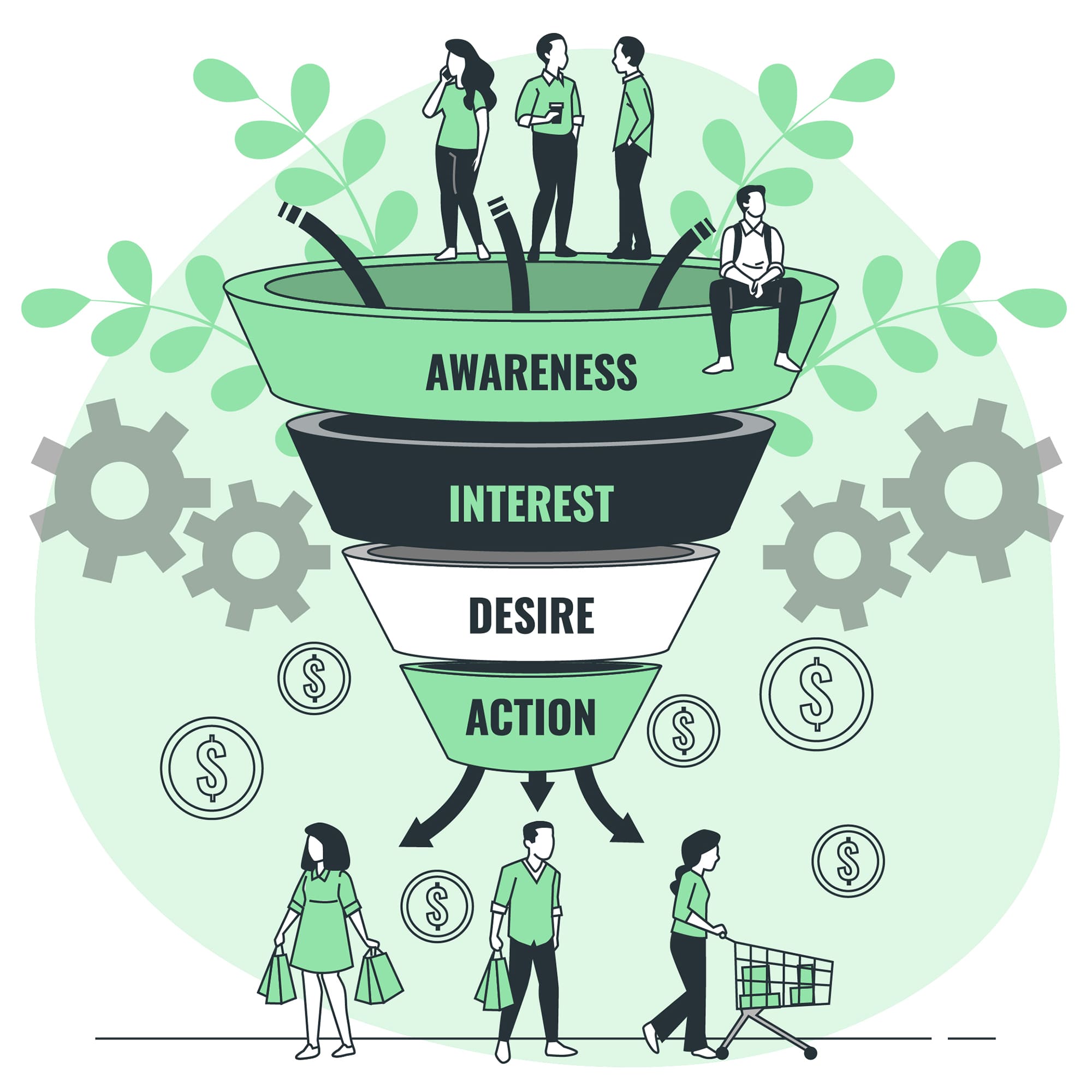
It was 2:30 AM when Sarah finally admitted defeat. Her small jewelry business had a beautiful website, unique products, and competitive pricing. She’d invested in professional product photography and maintained an active Instagram account. Yet sales remained frustratingly slow. “Perhaps this just isn’t for me,” she murmured, shutting her laptop with a sigh.What Sarah didn’t realize was that her marketing strategy was missing a crucial element: she wasn’t Successfully attracting potential buyers during the early awareness phase of the sales funnel.This scenario plays out daily for countless business owners who focus primarily on converting ready-to-buy prospects while neglecting the critical awareness phase—the very beginning of the customer journey where most relationships with your brand actually begin.
The awareness stage marks the initial point at which potential customers discover and engage with your brand.At this point, they aren’t necessarily looking for your specific product or service—they’re simply realizing they’re facing a challenge or opportunity and beginning to look into possible ways to address it.Imagine walking through a forest with no clear destination in mind. You’re just exploring, taking in the scenery. In marketing terms, this is your prospect at the awareness stage—not yet on a defined path to purchase, but open to discovery.
This stage is fundamentally different from later funnel stages (consideration and decision) because prospects aren’t evaluating options or ready to buy. They’re simply recognizing a need or interest and beginning their information-gathering process.
Why does this matter so much? Because connecting with prospects during this early discovery phase gives you the opportunity to:
– Shape their understanding of the problem
– Position your brand as a reliable and knowledgeable source of guidance and support
– Begin building trust before competitors enter the picture
– Guide their journey toward your solutions naturally
According to research by Forrester, 74% of business buyers conduct more than half their research online before making an offline purchase. The battle for customer attention begins long before they’re ready to buy—and those who win that battle gain a significant advantage.
Let’s explore how to effectively attract and engage these early-stage prospects through strategic awareness marketing.
To effectively reach prospects at the awareness stage, we need to understand what’s happening in their minds.
Meet Michael, a 38-year-old accounting professional who’s been experiencing back pain after long days at his desk. He isn’t searching for “ergonomic office chairs” yet—he’s simply googling “why does my back hurt after sitting all day?” or “ways to ease lower back pain caused by sitting at a desk job.”
Awareness-stage prospects like Michael are:
– Recognizing a problem or opportunity (“My back hurts after work”)
– Seeking information, not solutions (“Why does sitting cause back pain?”)
– Exploring broadly, not deeply (“Ways to reduce back pain”)
– Receptive to education, not sales pitches
At this stage, Michael doesn’t know what solutions exist—he may not even fully understand his problem. He certainly isn’t ready to compare brands or features of ergonomic chairs.
What makes awareness-stage psychology unique is the prospect’s openness. They haven’t formed strong opinions about solutions yet, which creates a powerful opportunity for brands that provide helpful, educational content.
Consider these real behaviors of awareness-stage prospects:
– They use broad, problem-focused search terms rather than product-specific ones
– They spend more time reading informational content than product pages
– They’re more inclined to pass along helpful content to others experiencing the same issues.
– They respond better to educational offers (guides, checklists) than product-focused ones
During a conversation with a client who runs a financial advisory firm, she shared: “When we switched from sending product-focused newsletters to publishing early-stage educational content about retirement planning concerns, our email open rates increased by 47% and our content was shared three times more frequently. People aren’t ready to hear about our investment strategies until they understand why retirement planning matters in the first place.”
“People won’t value your expertise until they feel your genuine concern” perfectly reflects the mindset of potential customers in the awareness stage. Pushing product information too early can backfire spectacularly.
Take Basecamp’s approach as an example. Rather than immediately promoting their project management software, they created “The Shape Up” guide—comprehensive content addressing the fundamental challenges of project management. This resource attracted thousands of prospects who weren’t yet searching for software solutions but were experiencing project management pain points.
By focusing on education rather than selling, you position your brand as a trusted advisor rather than just another vendor—and that trust becomes invaluable as prospects move deeper into the funnel.
Leveraging Content Marketing to Inform and Connect with Your Audience
Content marketing is your most powerful tool for connecting with awareness-stage prospects. It serves as the connection between their challenges and the solutions you offer.
Different content formats serve different awareness-stage functions:
Blog Articles
Awareness-stage blog posts should address fundamental questions and challenges. REI’s blog exemplifies this approach with articles like “How to Choose Hiking Boots” that educate hikers before they’re ready to shop specific models.
Effective blog topics often include:
– Beginner’s guides and 101-style content
– Problem identification and validation
– Industry trends and changes
– Common misconceptions and myths
– Thought leadership perspectives
Infographics and Visual Content
Visual content excels at simplifying complex concepts. When Mint first launched their personal finance app, they created infographics explaining basic financial concepts—not to sell their app directly, but to help people understand money management challenges.
The home insulation company Rockwool created an infographic showing how heat escapes from homes in winter, helping homeowners identify potential issues before discussing specific insulation products. This visual received thousands of shares from people who weren’t actively shopping for insulation but were concerned about energy costs.
Video Content
Videos can humanize awareness-stage information. Luxy Hair built a massive following with educational hair styling tutorials long before viewers were ready to purchase hair extensions. Their approach? Solve related problems first, mention products subtly.
Consider Blendtec’s famous “Will It Blend?” series. These entertaining videos weren’t directly selling blenders—they were creating awareness of the product’s power in a memorable way that accumulated over 290 million views.
Podcasts
Podcasts excel at building relationships during the awareness stage through regular, extended engagement. Mailchimp’s “Going Through It” podcast doesn’t explicitly promote email marketing—it features stories of professional challenges and pivotal decisions, connecting with business owners who might eventually need marketing tools.
Lead Magnets and Downloadable Resources
Providing useful tools or content in return for contact details helps transition users from awareness to consideration. For instance, HubSpot’s Website Grader delivers helpful insights to users facing website performance challenges—without directly promoting their CRM, building trust first.
Other effective lead magnet formats include:
– Checklists and worksheets
– Templates and frameworks
– Free mini-courses
– Assessment tools
– Industry reports
Creating Content That Resonates with Early-Stage Prospects
The difference between awareness content that works and content that falls flat often comes down to these principles:
Focus on Problems, Not Products
Lowe’s “Fix in Six” campaign featured six-second Vine videos showing simple home improvement tips—not to sell specific products but to establish the brand as a helpful resource for homeowners. These micro-content pieces attracted millions who weren’t actively shopping for home improvement products.
Prioritize Education Over Promotion
Consider the approach of financial advisor Dave Ramsey. His most successful content doesn’t begin with investment advice—it starts with basic budgeting guidance for those just becoming aware of financial challenges. By teaching fundamental skills first, he builds trust that later translates to product interest.
Add Unique Value Beyond Basic Information
A local kitchen remodeling company found success by creating content not just about “kitchen remodeling costs” but specifically about “hidden costs that surprise first-time kitchen remodelers.” This specificity resonated with homeowners just beginning to explore remodeling possibilities.
Be Genuinely Helpful Without Expectation
Marcus Sheridan (formerly of River Pools and Spas) famously wrote an article answering “How much does a fiberglass pool cost?” when no other competitors would address pricing transparently. This single piece of content generated over $2.5 million in sales by addressing the exact question awareness-stage prospects were asking.
Examples of Effective Awareness-Stage Content Campaigns
American Express Business Class
American Express created an entire educational platform called “Business Class” offering resources for small business owners. Rather than promoting credit cards directly, they provide practical guidance on business challenges—attracting entrepreneurs at the earliest stages of their journey who may eventually need financial services.
Johnson & Johnson’s BabyCenter
Instead of directly marketing baby products, Johnson & Johnson created BabyCenter—a comprehensive resource for expectant and new parents. By addressing the information needs of those just beginning their parenting journey, they establish trust that influences later purchasing decisions.
Whole Foods’ Whole Story Blog
Whole Foods’ blog rarely mentions products directly. Instead, it educates readers about food origins, preparation techniques, and nutritional information—capturing the attention of those beginning to explore healthier eating long before they’re deciding where to shop.
While compelling content is essential, it won’t attract awareness-stage prospects if they can’t find it. Strategic SEO ensures your content appears when early-stage information seeking begins.
Awareness-stage keywords differ significantly from consideration and decision-stage terms:
Awareness prospects use question-based queries and informational phrases:
– “How to…”
– “What is…”
– “Why does…”
– “Best ways to…”
– “Guide to…”
– “Understanding…”
For example, a mortgage company targeting awareness-stage prospects would focus on terms like “how to save for a down payment” rather than “best mortgage rates”—because early-stage prospects aren’t ready for rate comparisons yet.
Focus on Problem-Based Long-Tail Keywords
Long-tail keywords often indicate awareness-stage searching. A fitness equipment company found success targeting phrases like “exercises to do with bad knees” rather than “elliptical machines for bad knees”—capturing people who recognized a problem but weren’t yet searching for product solutions.
Target Related Topics, Not Just Direct Product Terms
REI ranks for thousands of awareness-stage terms like “how to stay warm while camping” that don’t directly mention products but attract people who may eventually need camping gear.
Position zero results are particularly valuable for awareness-stage queries. Healthline captures millions of early-stage health researchers by structuring content specifically to appear in featured snippets for questions like “what causes headaches.”
To improve your chances of being featured in Google’s snippets and the ‘People Also Ask’ section:
Format your content using clear subheadings (H2/H3) posed as questions
Follow each heading with a brief, straightforward answer
Use bullet points or numbered lists to organize step-by-step or related information
Incorporate comparison tables when relevant to help summarize data clearly
Beyond keywords, awareness content should be structured for both search engines and human readers:
Clarity Over Complexity
Break complex topics into digestible sections with descriptive subheadings. When Wistia explains video marketing concepts, they use conversational subheadings that both search engines and beginners can understand, like “Why video length matters more than you think.”
Comprehensive Yet Scannable Format
Intuit’s TurboTax help center exemplifies awareness-stage content structure—using expandable sections, clear typography, and visual cues to help tax novices find specific information within comprehensive guides.
Strategic Internal Linking
Create content clusters that link related awareness-stage topics together. Moz built their authority in SEO partially through an interconnected beginner’s guide that links fundamental concepts, allowing awareness-stage visitors to naturally explore related topics.
While organic content forms the foundation of awareness-stage marketing, strategic paid advertising accelerates discovery.
Different advertising platforms serve different awareness functions:
Facebook and Instagram ads allow precise targeting of demographics and interests related to your solution. A meal kit delivery service found success targeting not “people interested in meal kits” but broader awareness categories like “busy professionals interested in healthy eating”—reaching prospects before they knew meal kits were a solution.
Google Display Network for Contextual Placement
Display ads work best when placed alongside relevant content. Allbirds placed display ads on sustainability-focused websites, connecting with environmentally conscious consumers before they were specifically shopping for eco-friendly footwear.
Awareness-stage ads require a different approach than conversion-focused advertising:
Focus on Problem Recognition
Effective awareness ads often begin by highlighting a problem. Purple mattress ads don’t immediately pitch features—they start by illustrating how conventional mattresses create pressure points, helping viewers recognize an issue they may not have fully articulated.
Use Soft CTAs That Continue Education
Instead of “Buy Now” or “Sign Up,” awareness ads should use softer calls to action:
– “Learn More”
– “Discover Why”
– “Explore Options”
– “Get the Guide”
When Monday.com advertises to early-stage prospects, they use “See How It Works” rather than “Start Free Trial”—acknowledging that viewers are still information-gathering.
Emphasize Education Over Offers
Adobe’s awareness ads for Creative Cloud often promote free tutorials rather than subscription packages—recognizing that many viewers are still developing creative skills and aren’t ready to evaluate software options.
### Retargeting for Progressive Engagement
Retargeting reinforces awareness messaging:
Content-Based Retargeting Sequences
Rather than immediately showing product ads to website visitors, progressive companies create retargeting sequences that continue education. After someone reads a basic article on investing fundamentals, Betterment might retarget them with content about common investing mistakes—continuing education before introducing their specific platform.
Engagement-Based Audience Building
Create custom audiences based on engagement with awareness content. Peloton builds separate audience segments for those who’ve watched workout videos versus those who’ve viewed equipment pages—allowing them to deliver appropriately staged messaging.
Social platforms provide natural environments for awareness-stage discovery through both organic content and influencer partnerships.
### Creating Awareness-Optimized Social Content
Effective awareness-stage social content differs from conversion-focused posts:
Educational Micro-Content
Tasty built a massive following with short cooking videos that solve basic kitchen challenges—not by selling cooking products but by making cooking knowledge accessible, creating awareness that later translated to cookbook and kitchen tool sales.
Conversation Starters, Not Closers
Adobe’s most-shared social posts aren’t product announcements—they’re open-ended questions about creativity and design challenges that spark engagement among people who aren’t yet evaluating software options.
Visual Problem Identification
IKEA’s Instagram content often highlights common home organization problems with before/after imagery—helping followers recognize issues they might not have fully acknowledged before.
Influencer partnerships excel at reaching awareness-stage prospects in authentic contexts:
Educational Collaborations
When Headspace partnered with influencers, their most successful collaborations didn’t directly promote the meditation app. Instead, influencers shared broader wellness challenges and journeys, introducing meditation concepts to audiences who weren’t actively seeking meditation solutions.
Problem-Focused Content
Fitness equipment brand Gymshark built awareness through partnerships with fitness influencers who demonstrated workout challenges and techniques—not specifically to promote products but to connect with fitness enthusiasts at various stages of their journey.
Behind-the-Scenes Knowledge Sharing
Specialty food brands often partner with chef influencers to showcase cooking techniques and food origins rather than specific products—capturing the attention of food enthusiasts who aren’t yet seeking particular ingredients.
Developing a comprehensive keyword strategy requires understanding the language patterns of early-stage prospects.
Awareness keywords follow recognizable patterns across sectors:
B2B Software:
– “What is [category]”
– “How to improve [business process]”
– “[Business problem] statistics”
– “Guide to [industry challenge]”
Healthcare:
– “Symptoms of [condition]”
– “Causes of [health issue]”
“When should you reach out to a doctor regarding [symptom]?”
– “How to prevent [health concern]”
Financial Services:
– “How to start saving for [goal]”
– “Understanding [financial concept]”
– “Signs you need a [financial service]”
– “Calculating [financial need]”
E-commerce:
– “How to choose
Different content formats work better for specific keyword types:
| Keyword Type | Effective Content Format | Example |
| — | — | — |
| “How to” queries | Step-by-step guides, videos | “How to determine your skin type” |
| “What is” questions | Explanatory articles, infographics | “What is cloud computing in simple terms” |
| Problem identification | Assessment tools, checklists | “Signs your website needs updating” |
| Comparison-Based Searches | Product comparison tables, buyer’s guide content | “Explaining various types of yoga styles” |
| Statistical searches | Data-driven reports, infographics | “Remote work productivity statistics” |
Awareness-stage content requires headers and meta descriptions that speak directly to early information needs:
Blog Post: Understanding Data Privacy (for a cybersecurity company)
Meta Title: What Is Data Privacy? A Beginner’s Guide to Understanding Your Digital Rights
Meta Description: Wondering what data privacy actually means for you? Learn the basics of digital privacy, potential risks, and simple steps to protect your personal information.
H1: Understanding Data Privacy: What It Means and Why It Matters
H2: What Exactly Is Data Privacy?
H2: The Most Common Ways Your Data Is Collected
H2: Early Warning Signs Your Information May Be Vulnerable
H2: Simple Steps Anyone Can Take to Improve Privacy
Notice how these elements focus entirely on education without mentioning specific products or services—meeting prospects exactly where they are in their journey.
Measuring awareness-stage marketing requires different metrics than conversion-focused campaigns.
Effective awareness measurement includes:
Content Consumption Metrics
– Page views and unique visitors
– Average time on page
– Scroll depth
– Video watch time
– Podcast downloads
Engagement Indicators
– Social shares and mentions
– Comments and discussions
– Content backlinks
– Newsletter subscriptions
– Resource downloads
Brand Visibility Metrics
– Brand search volume trends
– Share of voice in industry conversations
– Unbranded keyword ranking positions
– Brand mention sentiment
Awareness marketing presents unique attribution challenges because the path from first touch to purchase can be lengthy and complex.
Multi-Touch Attribution Models
Basic models often undervalue awareness contributions. More sophisticated approaches like time-decay attribution acknowledge early touchpoints while giving appropriate weight to later converting interactions.
Brand Lift Studies
Companies like Home Depot measure awareness effectiveness by surveying target audiences before and after campaigns to track changes in brand familiarity, perception, and consideration.
Content Influence Analysis
Track which awareness-stage content pieces appear most frequently in the journeys of eventually converted customers. When Drift analyzed their conversion paths, they discovered that prospects who engaged with their conversational marketing educational content were 3.5 times more likely to eventually request a demo—even though that content never directly promoted their product.
Specific tools help measure early-stage marketing impact:
Google Analytics Behavior Flow
This visualization helps identify which awareness content leads visitors deeper into your site and which creates engagement dead-ends.
SEMrush Position Tracking
Monitors ranking improvements for awareness-stage keywords, showing how well you’re capturing early information searches.
BuzzSumo Content Performance
Tracks social sharing and engagement metrics for awareness content across platforms.
Brand24 or Mention
Monitors unbranded conversations related to problems your product solves, helping identify awareness opportunities.
The awareness stage isn’t just the beginning of the marketing funnel—it’s where lasting customer relationships are founded on trust and value rather than aggressive promotion.
“Successful awareness marketing hinges on one core principle: customers aren’t just purchasing products—they’re seeking solutions to their challenges.”By connecting with prospects during their initial problem recognition phase, you establish your brand as a trusted guide rather than just another vendor.
Consider how REI built their massive customer base not primarily through product promotions but by becoming the definitive source for outdoor knowledge through their expert advice articles, classes, and community events. They connect with outdoor enthusiasts at the earliest stages of interest—sometimes years before major purchases.
This patience pays dividends. Research by Aberdeen Group found that companies with strong early-stage content strategies experienced 7.8 times more site traffic and 3 times higher conversion rates than those focusing primarily on late-stage content.
To implement an effective awareness strategy:
1. Map your customers’ earliest questions and challenges
2. Develop informative content that directly speaks to these core needs.
3. Optimize for discovery through SEO and strategic promotion
4. Measure engagement and gradually guide prospects deeper
Remember Sarah, the jewelry business owner from our introduction? After reconsidering her approach, she created a series of educational pieces about “How to determine your personal jewelry style” and “Understanding jewelry materials: what will work with your lifestyle?” Rather than immediately promoting products, she became a trusted advisor on jewelry selection.
Within six months, her organic traffic had tripled, and sales increased by 42%—not through harder selling but by connecting with customers earlier in their journey.
Whether you’re a small business or a major brand, the principle remains the same: the battle for customer loyalty begins long before the purchase decision. Win the awareness stage, and you’ve already won half the customer journey.
Ready to transform your awareness-stage marketing? Start by auditing your existing content—how much truly addresses early-stage information needs rather than promoting solutions? The gap you find represents your biggest opportunity for growth.
*Need help developing a comprehensive awareness-stage strategy? Our team specializes in creating educational content that captures early-stage attention and builds lasting customer relationships. Reach out to us today to schedule a complimentary consultation and explore your awareness-stage marketing opportunities.