The 2026 reality: “zero-waste” isn’t a vibe anymore — it’s a workflow
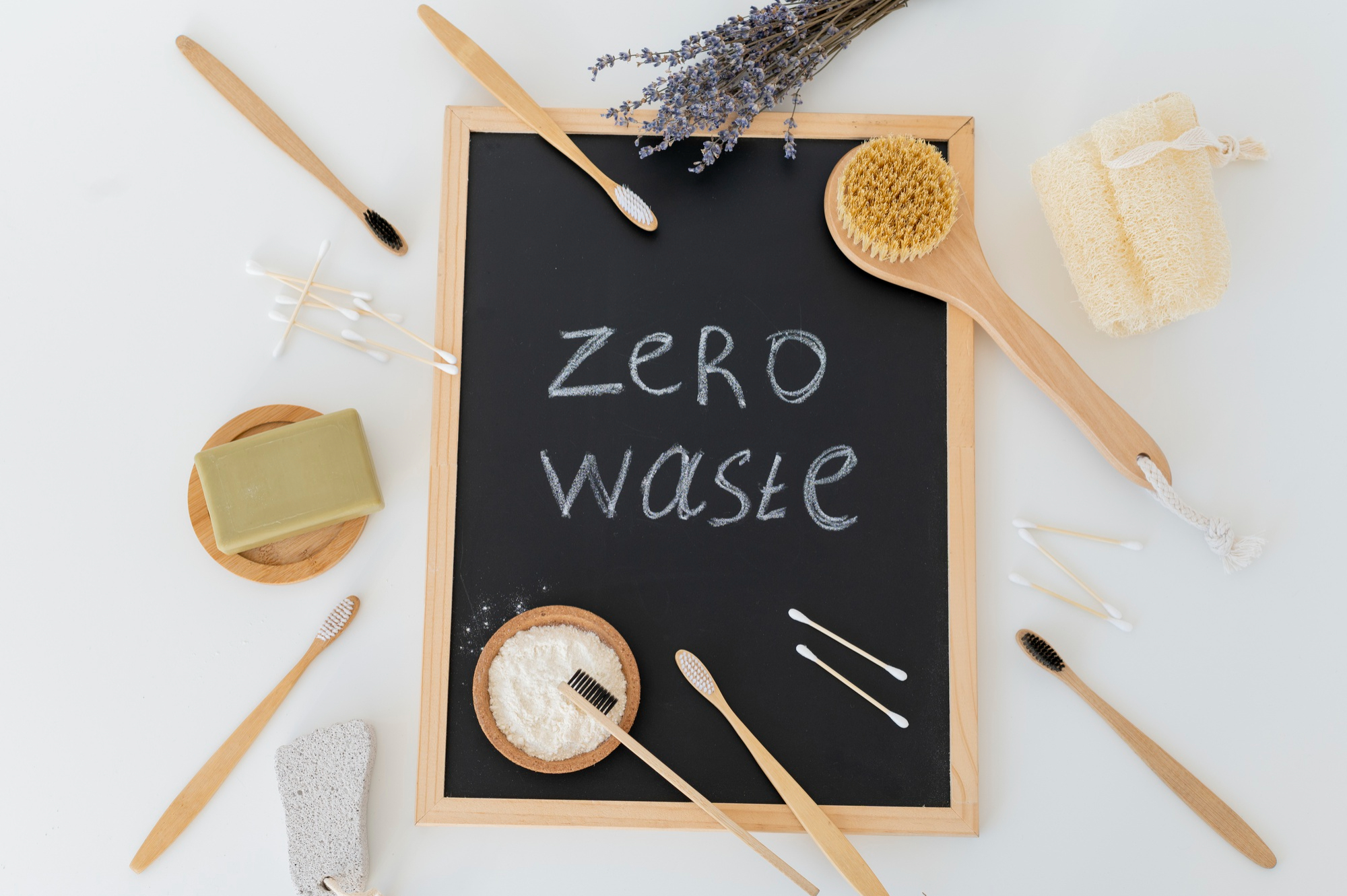
A few years ago, zero-waste content was mostly aesthetic: mason jars, cute bulk bins, bamboo everything.
In 2026, the conversation has matured. Not because people suddenly became more disciplined—but because the world got louder about the consequences of waste, and policy + business are starting to move (slowly, unevenly, but noticeably).
For example, the EU’s Packaging and Packaging Waste Regulation (PPWR) entered into force in February 2025 and pushes the market toward less packaging, more reuse/refill, and recyclability by design. That matters even if you don’t live in the EU because global brands often standardize packaging across regions when regulation tightens in one major market.
At the same time, the biggest “hidden waste” isn’t even packaging.
It’s food. In 2022, the world wasted 1.05 billion tonnes of food—about 19% at consumer level, with households responsible for 60%.
So if you want a zero-waste lifestyle in 2026 that actually works, here’s the mindset shift:
Don’t chase perfection. Build systems that reduce waste automatically.
This post gives you exactly that—high-impact hacks, simple rules, and repeatable setups.
The “Zero-Waste Stack” (2026 Edition): the only framework you need
Most people know the classic “Reduce, Reuse, Recycle.” It’s incomplete and it puts recycling too high.
Here’s a better hierarchy—designed for real life and modern consumption:
1) Avoid (Don’t create waste in the first place)
2) Reduce (Buy less, choose better)
3) Reuse + Refill (Make packaging a temporary thing)
4) Repair (Extend product life—especially electronics & clothing)
5) Rot (Compost organics)
6) Recycle (Last resort, not the hero)
Opinion (from experience): If your plan starts with recycling, your bin stays full. If your plan starts with food + packaging + repairs, you’ll feel the difference within a month.
The 80/20 truth: 3 waste categories cause most household trash
If you do nothing else, focus on these first:
-
Food waste (avoidable scraps + spoiled food)
-
Packaging (especially single-use plastic and mixed materials)
-
Textiles + “fast consumption” (cheap items replaced often)
Everything else is smaller and easier once these are handled.
Hack #1: Do a 7-day “trash audit” — but make it stupidly simple
Most people skip audits because they think it’s complicated. It isn’t.
The simplest audit method
For one week, don’t change anything. Just do this:
-
Keep a small box or bag near your bin labeled “TOP 10”
-
Every time you throw something away that feels “frequent,” toss one example into that box
(snack wrappers, takeaway containers, cling film, broken chargers, etc.)
At the end of the week, you’ll have your real targets. Not theory.
Your job: eliminate the top 3 items first. Everything else can wait.
Hack #2: Win the kitchen first (because that’s where waste is born)
A) The “Food Waste Shutdown” system (15 minutes/week)
Food waste is often a planning problem, not a morality problem.
Try this weekly routine:
1) One-fridge-shelf rule
Designate one shelf: “Eat First”
Everything that’s opened or near expiry goes there.
2) 2-meal leftover plan
Instead of “we’ll see,” assign leftovers a purpose:
3) Freeze with labels (no fancy containers needed)
Tape + marker is enough:
-
Date
-
Item
-
“Use by” reminder
Why this matters: UNEP data shows households are the biggest source of food waste globally. This is the fastest lifestyle change with real impact.
B) Replace 5 disposable kitchen items (without buying a “zero-waste starter kit”)
Start with what you already use daily:
-
Paper towels → cloth rags (cut old shirts)
-
Cling film → lidded containers / plates over bowls
-
Zip bags → reusable pouches only if you truly need them
-
Sponges → washable scrub cloth + bottle brush
-
Dish soap bottles → refill station or larger concentrate refill
Opinion: Buying expensive “eco products” to feel sustainable often increases consumption. Use what you already own until it’s dead.
Hack #3: Treat packaging like a temporary problem — not permanent trash
This is where 2026 is changing fast.
Regulators are pushing harder on packaging waste reduction and reuse/refill models. And research continues to highlight packaging as a major driver of plastic waste/pollution.
Your practical approach: “Refill by default”
You don’t need a perfect bulk store nearby. Start with what’s available:
Best “refillable wins” in most cities
-
Drinking water: large returnable bottles where available
-
Cleaning liquids: buy larger refills (less packaging per use)
-
Pantry basics: rice, lentils, spices (often available in markets)
-
Toiletries: refill options are expanding; even if not, choose bigger sizes over tiny bottles
Don’t overcomplicate it: adopt a “one swap per month” rule
Month 1: water/tea/coffee habit
Month 2: cleaning supplies
Month 3: pantry basics
Month 4: toiletries
Month 5: takeout container habit
Slow change is the only change that lasts.
Hack #4: Master “BYO” without becoming that person
In 2026, many places (especially in Europe) are being pushed to allow customers to bring their own containers for takeaway at no extra cost. Even where it’s not required, businesses often accept it if you make it easy.
The “BYO kit” that people actually carry
Forget the Instagram zero-waste kit.
Carry only what matches your routine:
-
One foldable tote (always in your bag/car)
-
One container (mid-size, leak-resistant)
-
One bottle/cup (if you buy drinks outside)
That’s it. If your kit is big, you’ll stop carrying it.
Hack #5: Make repair your default — 2026 is finally supporting it
Repair is the most underrated zero-waste tool because it fights the most expensive waste: replacement culture.
In the EU, consumer transparency is increasing with labels and requirements related to durability and repairability for devices (e.g., smartphones/tablets).
A practical “Repair First” habit (that saves money too)
Before you replace anything, run this checklist:
-
Can it be fixed in under 30 minutes?
-
Can you get a replacement part in under 7 days?
-
Is there a local repair shop for this category?
-
Would a second-hand replacement be enough?
If “yes” to any two, repair wins.
High-impact repair targets
-
Chargers/cables (buy better quality once)
-
Small appliances (kettle, blender)
-
Clothing (buttons, seams, zippers)
-
Shoes (sole repair is often cheaper than replacement)
Hack #6: Clothing waste is a lifestyle issue — not a laundry issue
Fast fashion waste happens because we buy “cheap dopamine” and pay later.
The 2026 wardrobe rule: “Buy for 30 wears”
Before you buy something, ask:
Will I wear this at least 30 times?
If not, it’s probably a waste purchase disguised as a bargain.
Easy upgrades that reduce textile waste fast
-
Stop buying “special occasion” outfits you’ll wear once
-
Learn 3 basic fixes: button, small tear, hem
-
Build a mini “uniform” (2–3 reliable combinations)
Opinion: A sustainable wardrobe is usually a boring wardrobe—and that’s the point. Waste loves novelty.
Hack #7: Composting, but realistic (no guilt, no fruit flies)
“Just compost” is advice from people who don’t live in small apartments.
Choose your level:
Level 1 (easiest): Freeze scraps
Keep a container in the freezer for:
-
vegetable peels
-
coffee grounds
-
eggshells
Then drop off weekly (if you have a compost service/community spot) or add to a home system.
Level 2: Balcony/yard compost
Start with dry + wet balance:
Level 3: Vermicompost (worms)
Only if you’re consistent.
Composting isn’t the first win—food planning is
Remember: households are the biggest source of food waste.
Composting is great, but preventing spoilage is better.
Hack #8: “Low-waste” shopping rules that work everywhere
Rule 1: Stop buying small formats
Single-serve items produce constant packaging. Bigger formats (shared and stored properly) usually cut waste.
Rule 2: Avoid mixed-material packaging
If it’s layered plastic + foil + paper, recycling is often limited.
Rule 3: Choose “boring” products
The more marketing and complexity, the more packaging.
Rule 4: Make a “default list”
The biggest waste driver is spontaneous buying. A default list turns shopping into execution, not decision fatigue.
Hack #9: Upgrade your home “waste stations” (this is the secret weapon)
Most people fail at zero-waste because their home setup fights them.
Your home should make the right choice easy
Set up three zones:
-
Reuse zone (containers, jars, bags, bottle)
-
Repair zone (tape, needle, basic tools, spare cables)
-
Sort zone (recycling/compost/trash clearly separated)
You’re not trying to be eco-perfect. You’re reducing friction.
A 30-day plan (simple, doable, high impact)
Week 1: Food + fridge system
-
Eat-first shelf
-
2-meal leftover plan
-
Freeze scraps
Week 2: Packaging + shopping rules
Week 3: Bathroom + cleaning
-
Refill or concentrate where available
-
Use up what you own first
-
Replace disposable wipes/tissues with cloth
Week 4: Repair + wardrobe
That’s a real zero-waste shift—without turning your life upside down.
Conclusion: Zero-waste in 2026 is not about being “good” — it’s about being intentional
If you take one idea from this post, let it be this:
Zero-waste isn’t a purity contest. It’s a design problem.
You design your kitchen to waste less food (which matters more than most people realize).
You design your shopping to reduce packaging.
You design your habits to repair instead of replace.
And when those systems are in place, waste drops naturally—without constant willpower.
FAQ
1) What’s the fastest way to start a zero-waste lifestyle?
Start with food waste and your top 3 trash items from a one-week mini audit. That gives immediate, measurable results.
2) Is “zero-waste” realistic for families and busy professionals?
Yes—if you focus on systems (shopping defaults, eat-first shelf, BYO container) instead of extreme DIY.
3) What swaps are not worth it?
Swaps that make you buy new things when your current items still work. Use what you own first.
4) How do I handle takeout and delivery waste?
Keep one container with you, default to places with less packaging, and avoid “extra cutlery/napkins” options when possible.
5) Does recycling matter less now?
Recycling still matters—but it’s the last line of defense, not the strategy. Reducing and reusing cuts waste at the source.
Final Thought:
Zero-waste in 2065 isn’t about living “perfectly” — it’s about building a life where waste doesn’t happen by default. Start small, fix the biggest leaks first (food, packaging, impulse buys), and design systems that make the better choice the easiest one. When your routine is set up right, sustainability stops feeling like effort… and starts feeling like normal.